Choosing the Right Grading Service for Your Pokémon Card Collection

What You Need to Know Before Sending Cards for Grading
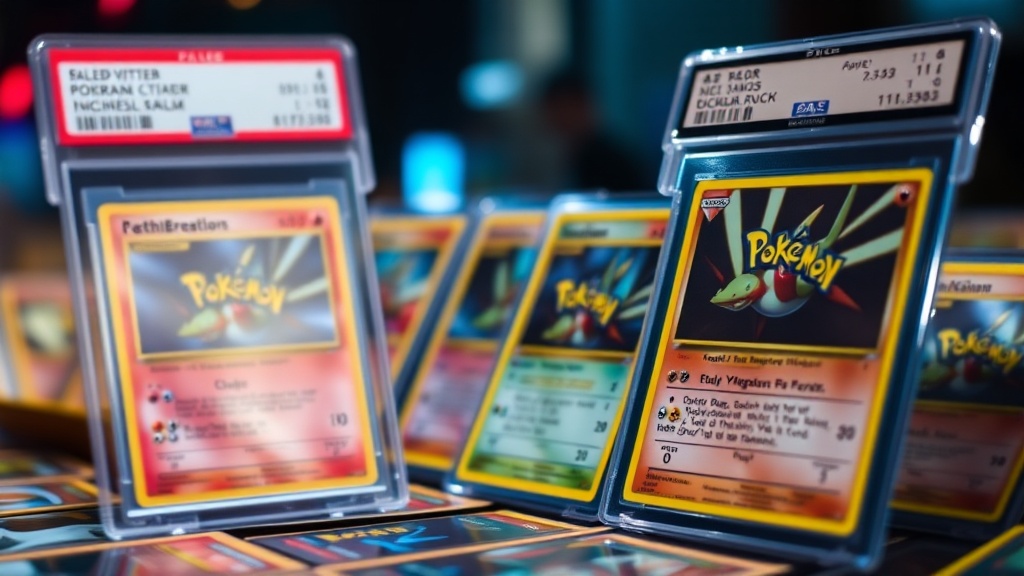
This guide covers the differences between the major grading companies, how to choose a service that fits your specific goals, and what to expect during the process. Whether you're holding a vintage Holofoil Charizard or a modern Special Illustration Rare, knowing where to send your cards can make or break your return on investment. The grading process isn't just about getting a number on a slab; it's about professional verification, preservation, and market liquidity.
A common mistake new collectors make is assuming all grading services are created equal. They aren't. Some companies specialize in high-volume modern cards, while others focus on the meticulous-level detail required for vintage Japanese sets. You'll need to decide if you're looking for pure aesthetic appeal, long-term stability, or simply the fastest turnaround time possible.
Which Grading Service Has the Best Reputation?
When you look at the market, two names tend to dominate the conversation: PSA and BGS. PSA (Professional Sports Authenticator) is often the go-to for collectors who want high liquidity. If you're planning to sell your cards on platforms like eBay or TCGplayer, a PSA slab is a universal language that buyers trust. It's the standard for a reason—it's predictable and widely accepted.
On the other hand, Beckett (BGS) is often favored by those chasing those elusive Black Label 10s. The grading scale at Beckett can be much more punishing than PSA. While a PSA 10 is a fantastic achievement, a BGS Black Label is a rare feat of perfection that can command a significant premium. If your card is truly flawless, Beckett might be the way to go. However, if you're a collector who values the ability to move inventory quickly, PSA's accessibility is hard to beat.
"The way a card is graded often dictates its secondary market value more than the actual card itself."
You should also keep an eye on CGC. While they've had a fluctuating presence in the Pokémon market, they are known for their transparency and high-quality slab aesthetics. They often appeal to the 'collector-first' crowd who wants a beautiful display piece that isn't just a commodity.
How Do I Determine if a Card is Worth Grading?
Before you spend money on shipping and grading fees, you must perform a thorough pre-grading inspection. You aren't just looking for scratches; you're looking for subtle flaws that a professional eye will catch instantly. A single microscopic print line or a slightly off-center holo pattern can drop a grade from a 10 to a 9.
- Centering: Look at the borders. Is the artwork shifted to one side? Even a tiny deviation can affect the grade.
- Edges and Corners: Use a magnifying glass to check for white nicks (often called 'whitening') on the back edges.
- Surface: Hold the card under a bright, direct light to check for scratches, dimples, or print lines.
- Density: For some modern cards, the weight and thickness can be indicators of authenticity, though this is more advanced.
A good rule of thumb is the 'Value vs. Cost' ratio. If a card is worth $50 and the grading fee plus shipping is $40, it's rarely worth the risk unless you're certain it's a perfect specimen. For high-end cards, the math changes. For a $500 card, a $50 grading fee is a logical investment to potentially increase that value to $1,000 or more.
What Are the Most Common Mistakes During Submission?
The most frequent error I see is improper packaging. You can't just toss a handful of cards into a bubble mailer and hope for the best. If your cards arrive damaged, the grading company won't be held responsible, and you've lost your investment. Use heavy-duty cardboard dividers and ensure every single card is in a protective sleeve and a rigid top loader or semi-rigid holder.
Another mistake is ignoring the 'Bulk' vs. 'Express' distinction. Many services offer tiers. If you aren't in a rush, always choose the slower, cheaper options. The excitement of waiting for a high-grade card is real, but paying a 300% premium for two weeks of speed isn't always the smartest move for your wallet. Check the official guidelines on PSA's website to understand their specific submission requirements for different tiers of service.
Finally, don't forget about the shipping insurance. If you're sending a collection worth thousands, ensure your carrier provides full coverage. It's an extra cost, but it's a small price to pay for peace of mind. You can research more about shipping best practices through FedEx's shipping guides to ensure your packages are handled with care.
| Service | Best For | Key Strength |
|---|---|---|
| PSA | Liquidity & Resale | Universal recognition and high resale value. |
| BGS | Perfectionists | The prestigious 'Black Label' status. |
| CGC | Aesthetics | Beautiful slabs and high-quality presentation. |
Once your cards are submitted, the waiting game begins. It's important to remember that grading is an opinion-based science. A card might be a 9 to one person and a 10 to another. Stay patient, keep your tracking numbers handy, and always double-check the condition of your cards the moment they arrive back in your hands.