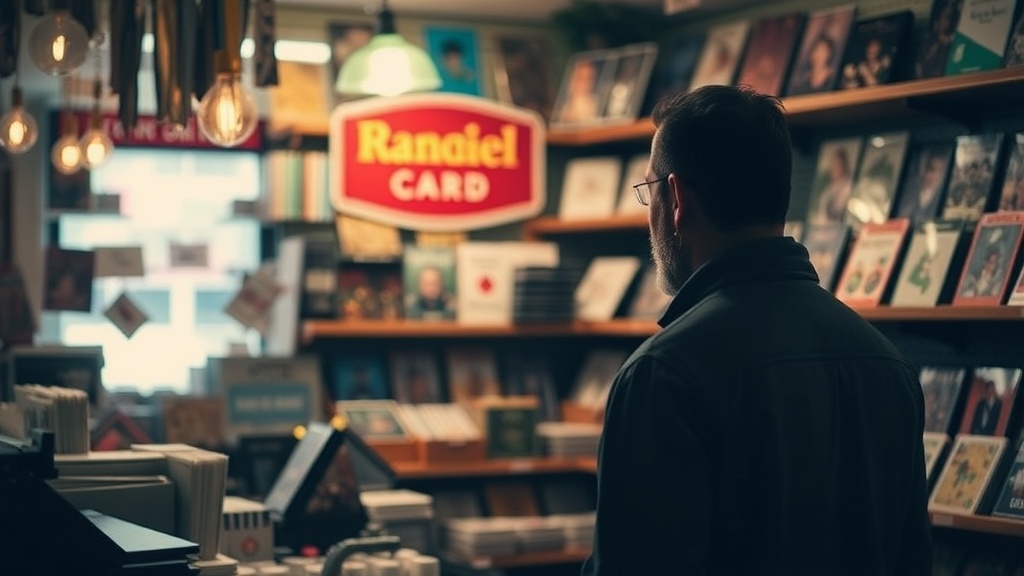
Hidden Gems in Local Card Shops

The Unlisted Bulk Bin Advantage
Connecting with Local Shop Owners
Spotting Mispriced Vintage Holos
Most collectors believe that the best deals live on eBay or TCGPlayer, but that's a mistake. While online marketplaces offer massive selection, they often lack the "treasure hunt" aspect and the ability to inspect physical quality before you pay. This post explores why your local game store (LGS) is actually a goldmine for undervalued Pokémon TCG products, rare vintage holos, and high-end collectibles that haven't hit the digital auction-house-circuit yet.
Searching for value in a brick-and-mortar shop requires a different mindset than clicking "Buy It Now" on a laptop. You aren't just looking for a specific card number; you're looking for the dealer's overlooked inventory. It's about finding the person who knows a lot about gaming but might not be tracking the latest market spikes for a specific Pokémon Trading Card Game promo.
Why Should You Shop at Local Game Stores?
Local game stores offer the ability to physically inspect card condition and engage in face-to-face negotiation, which is impossible with online-only retailers. You can see the actual holographic pattern, check for surface scratches, and ensure the edges aren't whitening under a bright light.
The biggest advantage is the "human element." When you walk into a shop in a place like Savannah, you're walking into a community. The shop owners often have "back stock"—boxes of older booster packs or loose singles that aren't listed on their website. They might have a copy of Silver Tempest or Evolving Skies tucked away in a bin that hasn't been touched in months. If you find it, you can often negotiate a better price than the inflated prices seen on major auction sites.
Plus, you get to meet the people who actually play the game. If you're looking for advice on protecting your most valuable cards, the person behind the counter is a better resource than a subreddit thread. They see the local meta. They know what players are trading. It's an educational experience as much as a shopping trip.
The "Bin Hunting" Strategy
Don't just walk to the glass display case. The real gems are usually in the bins. Most shops have "bulk bins" where they sell common cards or older sets for pennies on the dollar. While you're looking for a specific Charizard, you might stumble upon a misprinted card or a rare reverse holo that someone else overlooked.
Here is how you should approach a bin search:
- Bring a light source: A small LED flashlight helps you spot surface scratches or "silvering" on the edges that a shop's overhead lighting might hide.
- Check the "Reverse Holo" density: Sometimes, shops sell off older sets in bulk. If you find a bin of Sword & Shield era packs, the hit rate for high-end cards might be better than the current era.
- Look for "Error" cards: These are rare, but local shops often have them because the staff didn't realize the mistake.
How Can I Tell if a Card is a Good Deal?
Comparing a local price to the current market value on TCGPlayer or eBay is the fastest way to determine if a deal is actually worth your money. A "good deal" is any price that sits at least 15-20% below the current market price for a "Near Mint" condition card.
Don't just look at the average price. Look at the "Low" and "High" ends of the spectrum. If a shop is selling a card for $20, but the TCGPlayer median is $35, you've found a winner. However, you must be careful. A card might be cheap because it's in "Played" or "Lightly Played" condition. If you want to keep your collection in pristine shape, you'll want to be mindful of preventing environmental damage even before you leave the store.
It's also smart to check the volume of sales. A card might have a high "ceiling" price, but if only one person has sold it in six months, that price is an outlier. You want to buy cards that have high liquidity—meaning they are easy to sell back or trade later.
| Feature | Online Marketplaces | Local Game Stores (LGS) |
|---|---|---|
| Selection | Massive/Global | Limited/Regional |
| Condition Verification | Photos (often deceptive) | Physical Inspection |
| Price Control | Strict Market Rates | Negotiable |
| Shipping | Costly/Slow | Instant/Free |
What Are the Best Items to Look for in Local Shops?
The best items to hunt for in person are high-value singles, booster boxes, and specialized accessories. While you can find almost anything online, certain physical items benefit greatly from being handled in person.
First, look for "Graded" cards. Many local shops carry slabs from companies like PSA or BGS. Buying a graded card locally allows you to check the actual slab for cracks or scratches—something that often gets missed in high-res photos online. If the slab is damaged, the value drops significantly.
Second, look for "Bulk" lots. If a shop is clearing out old inventory to make room for new releases (like the latest Scarlet & Violet era products), they might sell an entire box of older cards for a flat fee. This is a high-risk, high-reward strategy. You might get nothing, or you might find a hidden gem that pays for the entire box.
Third, don't ignore the accessories. A good local shop will carry high-quality sleeves, deck boxes, and even specialized storage solutions. It's always better to see the thickness of a sleeve or the sturdiness of a deck box in person. You'll want to ensure your protection is top-tier—after all, keeping cards mint starts with the right gear.
A quick tip: if you see a stack of older, unsealed booster boxes, check the seals. While it's hard to tell if a pack has been "searched" just by looking, a weathered or poorly taped seal is a red flag. In a local shop, you can often ask the clerk directly about the history of that stock. They'll usually be honest with you.
It's worth noting that many shops also carry non-Pokémon products like Magic: The Gathering or Yu-Gi-Oh! occasionally. Don't ignore these. Sometimes a shop will have a clearance section for other TCGs that can be a great way to pick up high-quality storage or playmats for a fraction of the price.
The catch? You have to be willing to spend time. You can't just walk in, buy, and leave. You need to talk to the staff. Ask them, "What's been moving lately?" or "Do you have any old stock you're looking to move?" These simple questions can turn a standard shopping trip into a major win for your collection.
One final thing—always carry a small notebook or use your phone to track what you see. If you see a great price on a specific card in one shop, write it down. You might not be ready to buy it today, but having a list of "target prices" will help you stay disciplined when you're browsing other stores or looking online.