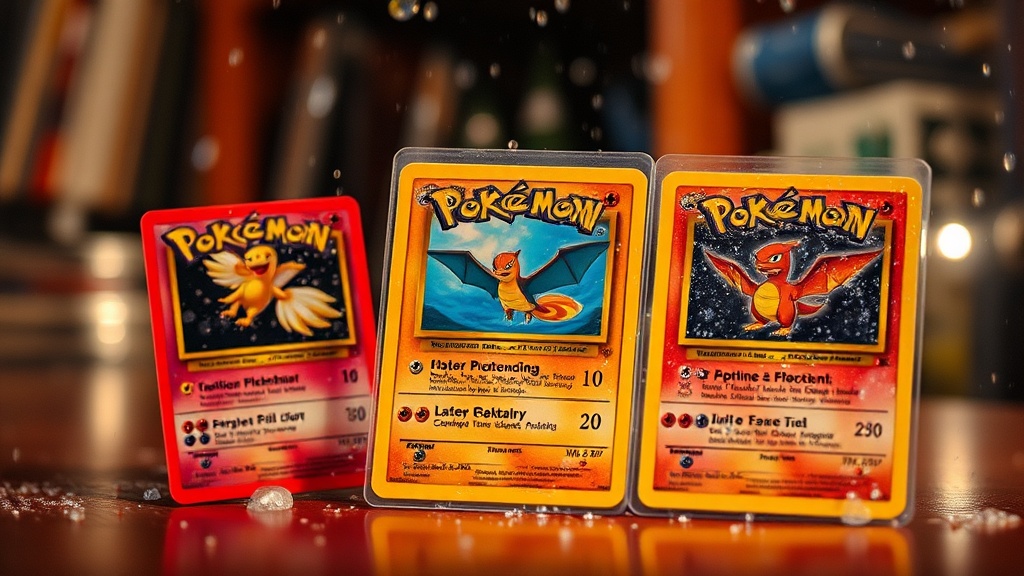
Protecting Your Pokémon Cards from Humidity and Environmental Damage

The Invisible Threat to Your Collection
Imagine opening a fresh booster pack or a long-held vintage binder, only to find the edges of your holographic cards looking slightly warped or, worse, feeling damp to the touch. This isn't just a bad luck scenario; it's the result of uncontrolled humidity. High moisture levels in the air can cause cardboard to swell, lead to edge fraying, and even encourage mold growth on the internal layers of the card. For serious collectors, managing the environment around your stash isn't just about aesthetics—it's about preventing permanent structural damage.
Whether you live in a humid coastal area like Savannah or just have a poorly ventilated room, your collection is constantly interacting with the air. Even inside plastic sleeves, moisture can creep in if the storage method isn't properly managed. We're looking at how to keep your cards flat, crisp, and ready for any future grading or sale.
How do I prevent card curling from humidity?
Card curling usually happens when one side of the card absorbs more moisture than the other. This is common with holofoil cards, where the foil layer and the cardboard core react differently to moisture. To stop this, you need to create a stable environment.
- Use Silica Gel Packets: These are your best friends. Tossing a few food-grade silica gel packets into your storage bins or even your larger storage boxes can help absorb excess moisture.
- Avoid Direct Sunlight: Sunlight doesn't just fade colors; it generates heat, which can change the humidity levels inside a closed container.
- Double-Sleeving: Using a perfect-fit inner sleeve and a standard outer sleeve provides an extra layer of defense. It doesn't make the card waterproof, but it creates a barrier that slows down the rate of moisture absorption.
If you notice a card starting to curl, don't panic. You can sometimes use a heavy book or a specialized card press to flatten it, but be careful—applying too much pressure on a damp card can actually cause more harm. It's always better to prevent the bend than to try and fix it later.
What is the ideal humidity level for card storage?
Most professional archivists and high-end collectors aim for a consistent environment. For paper-based collectibles like Pokémon cards, the sweet spot is generally between 35% and 50% relative humidity. If it goes above 60%, you're entering the danger zone for mold and structural warping. If it drops below 30%, the cardstock can become brittle and prone to cracking.
A digital hygrometer is a cheap and effective way to monitor this. You can find small, inexpensive sensors on sites like Amazon that display the current humidity and temperature in your room. If you see the numbers climbing, it's time to adjust your storage strategy. Some collectors use electric dehumidifiers in their dedicated hobby rooms to maintain a steady state, which is a smart move if you have a high-value collection.
| Humidity Level | Potential Risk | Recommended Action |
|---|---|---|
| < 30% | Brittle edges and cracking | Increase moisture or use a humidifier |
| 35% - 50% | Ideal preservation range | Maintain current environment |
| > 60% | Mold, warping, and softening | Use a dehumidifier or silica packets |
Keep in mind that extreme fluctuations are often worse than a constant, slightly high humidity. A card that moves from very dry to very damp frequently will suffer much more structural stress than one kept in a steady, slightly humid room.
Are plastic binders safe for long-term storage?
The short answer is: it depends on the quality of the plastic. Many cheap binders use PVC (polyvinyl chloride), which contains plasticizers that can off-gas over time. This gas can react with the ink on your cards, causing discoloration or a "sticky" feeling. This is a nightmare for collectors of vintage cards. Always look for "acid-free" and "PVC-free" labels on your binders and sleeves.
For long-term storage of high-value cards, consider using hard plastic magnetic holders (one-touch cases) or professional-grade top-loaders. These provide a much more rigid structure than a soft binder. However, even these aren't airtight. If you put a card in a one-touch case and then put that case in a warm, humid attic, the card will still face issues. The case protects from physical bumps, but the environment still dictates the card's health.
If you're looking for the highest level of protection, look into archival-grade storage solutions. Companies like eBay often have listings from specialized hobby shops that sell museum-grade materials. A card stored in a high-quality, airtight container is far more likely to survive decades of shifts in weather and temperature.
How often should I inspect my collection for damage?
You shouldn't wait for a problem to become obvious. A quarterly check-up of your collection is a good habit. Take your binders out of their storage boxes, flip through the pages, and look for any signs of "waviness" or discoloration. If you see a card looking a bit dull or feeling slightly tacky, it might be reacting to the environment.
Check your silica gel packets too. Most silica packets change color when they've reached capacity. If you see that they've changed from blue to pink (or whatever the specific brand's indicator is), it's time to replace them. This is a small, simple task that can save a massive amount of money in the long run. Protecting your cards isn't a one-time event; it's an ongoing process of monitoring and adjusting to the world around them.