What Actually Makes a Pokémon Card Valuable (And Why Most Collectors Get It Wrong)

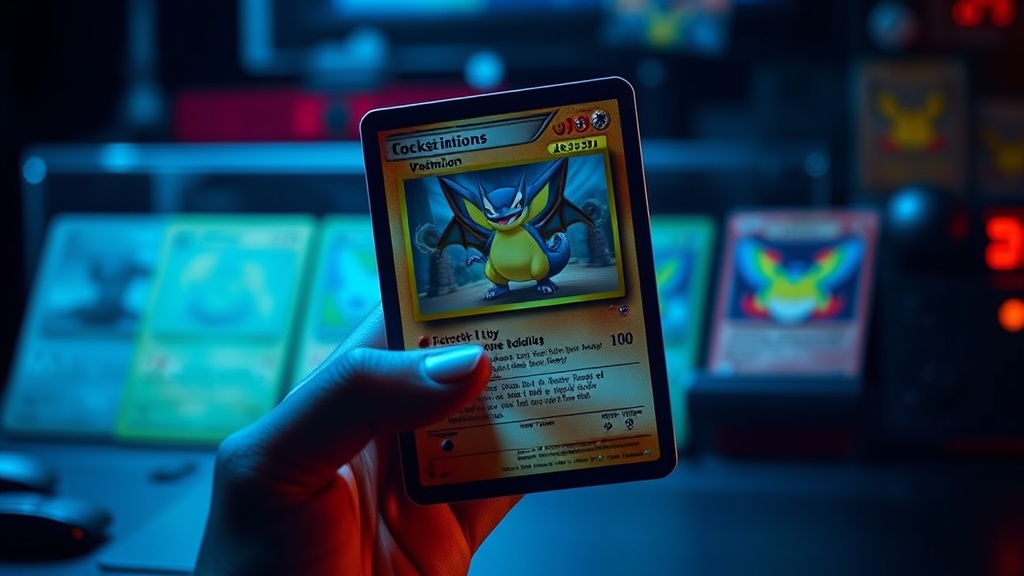
There’s a moment every collector remembers: you pull a card that feels special. The artwork hits, the holo catches light just right, and suddenly you’re wondering—is this worth anything?
I’ve watched enough collections rise and fall to tell you this: most people misunderstand value in Pokémon cards. They chase hype, ignore fundamentals, and miss the quiet signals that actually matter.
Condition Still Rules Everything (Even When People Pretend It Doesn’t)
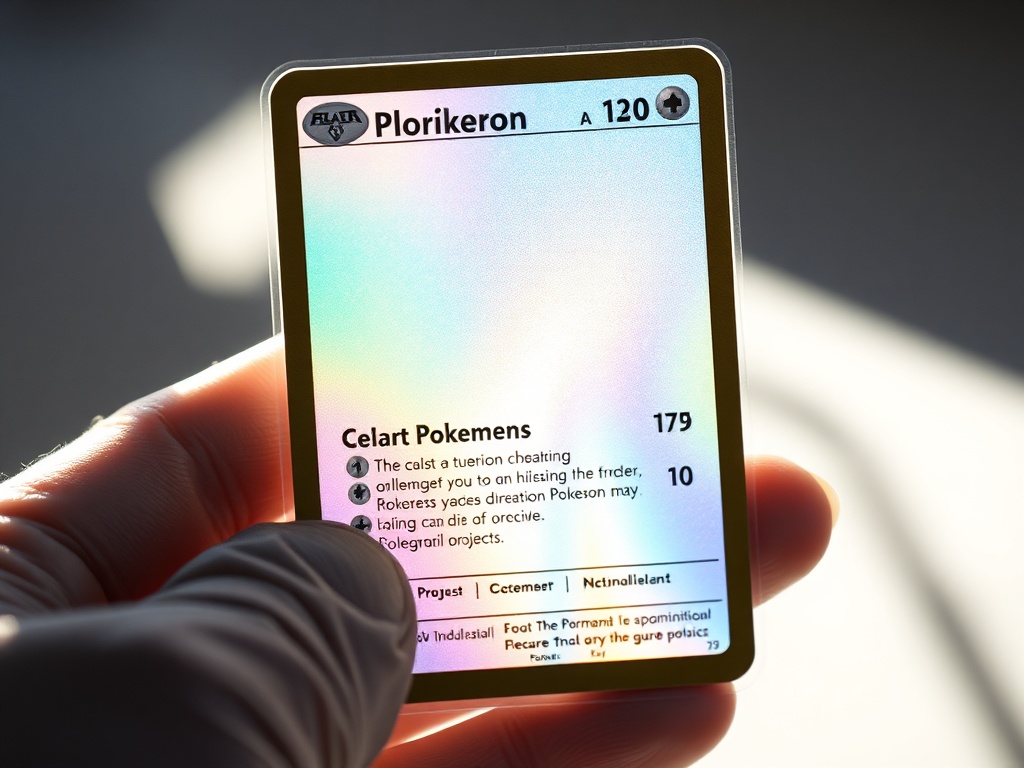
Let’s start with the least exciting truth: condition is king. Not rarity. Not age. Not even the Pokémon on the card.
A perfectly centered, scratch-free card in near-mint or gem-mint condition will routinely outperform a rarer card that’s been played, bent, or stored loosely in a shoebox.
This is where new collectors go wrong—they assume scarcity alone drives value. It doesn’t. Scarcity combined with pristine condition is what creates real demand.
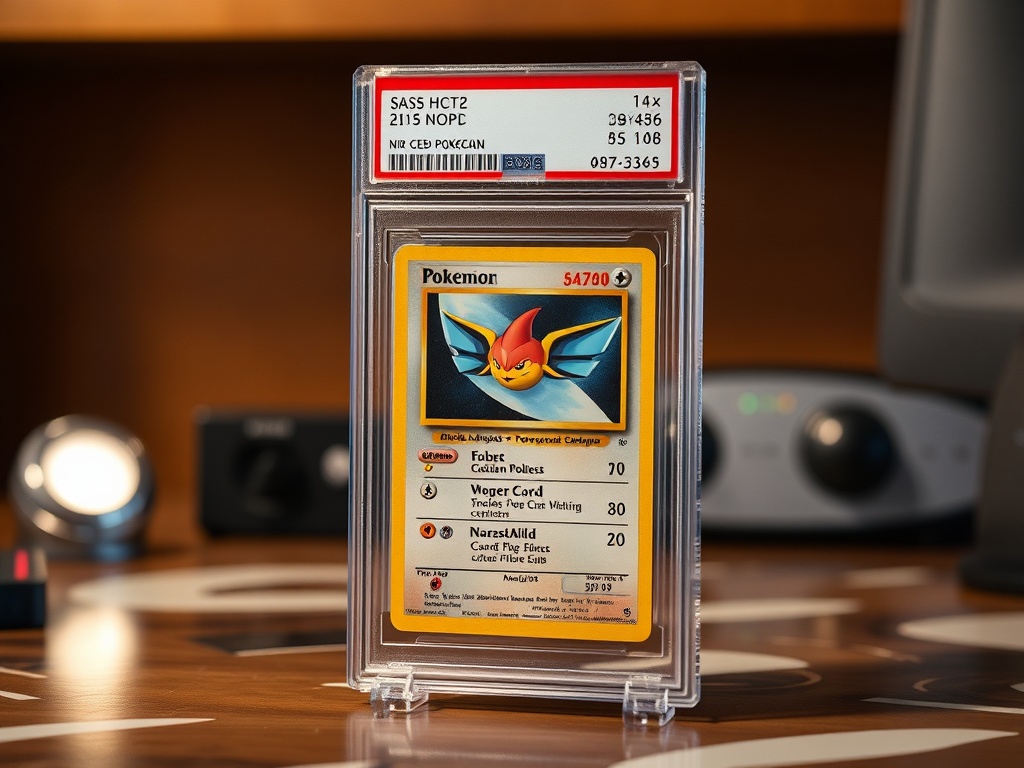
Grading companies like PSA and Beckett don’t just assign numbers—they standardize trust. A PSA 10 is not just a condition label; it’s a liquidity multiplier.
Print Runs Matter More Than “Old vs New”
There’s a persistent myth that older automatically means more valuable. It’s comforting, simple—and often wrong.
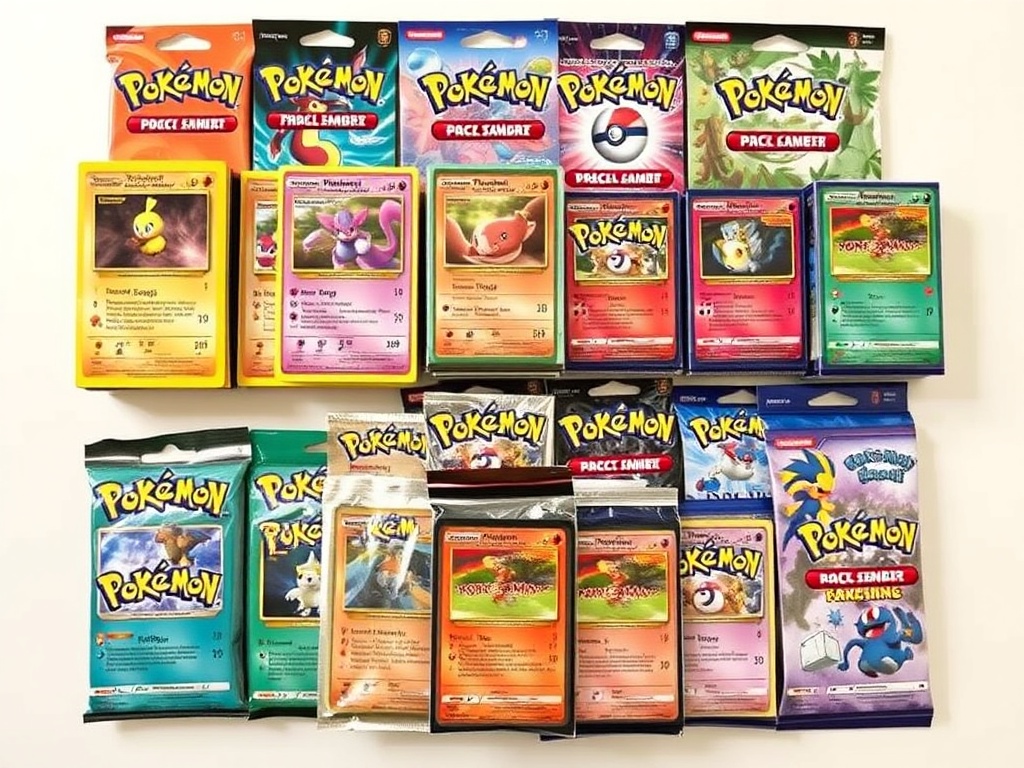
What actually matters is print run size and distribution. Some modern sets are printed heavily, but certain chase cards within them have pull rates so low they effectively behave like vintage scarcity.
Meanwhile, not every card from the early 2000s is rare. Many were printed in huge quantities and have survived in decent condition.
Collectors who understand print dynamics—especially for modern secret rares and alternate arts—consistently make smarter buys.
Artwork and “Collector Appeal” Are Underrated Drivers
This is the part spreadsheets can’t fully capture.
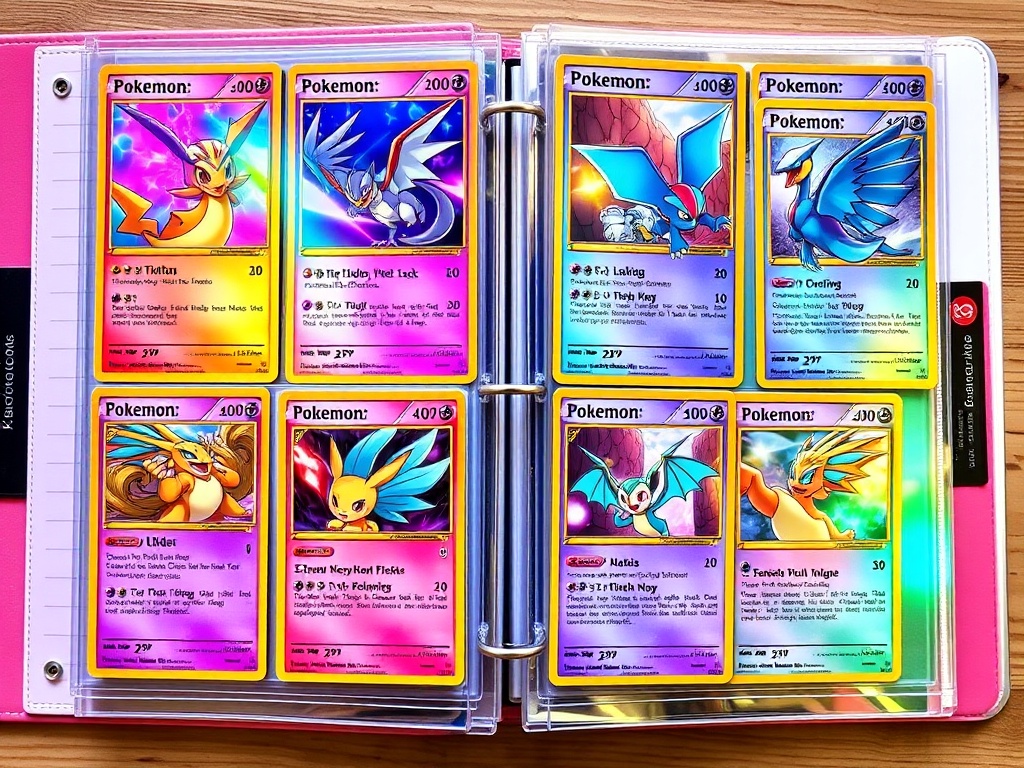
Cards with standout artwork—full-art illustrations, dynamic poses, or unique textures—develop a kind of cultural gravity. They get shared, displayed, talked about. That attention compounds over time.
Think about it: collectors don’t just invest—they curate. And curation favors cards that look incredible in a binder or display case.
If you’re deciding between two cards of similar rarity, always ask: which one would people actually want to show off?
Popularity of the Pokémon Isn’t Equal
This one is obvious once you see it, but many collectors ignore it early on.
Cards featuring universally loved Pokémon—Charizard, Pikachu, Umbreon—carry built-in demand that transcends set and era. A mid-tier Charizard often outperforms a technically rarer card featuring a less popular Pokémon.
Demand is emotional before it’s rational. Nostalgia, brand recognition, and fan attachment all play a role.
If you’re building a long-term collection, anchoring it with high-demand characters is one of the safest strategies available.

Grading Is Not Optional Anymore
Ten years ago, grading was a niche. Today, it’s infrastructure.
Ungraded cards can still sell—but they carry uncertainty. Buyers hesitate. Prices fluctuate more. Liquidity drops.
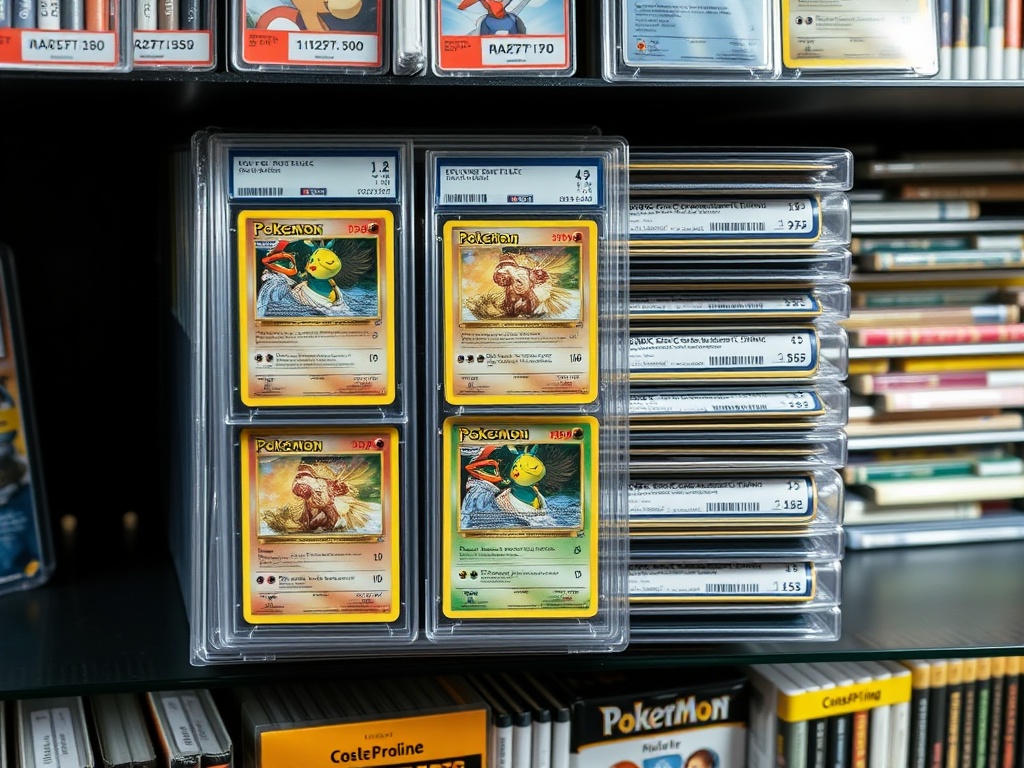
Once graded, a card becomes easier to compare, easier to sell, and easier to trust. That trust shows up directly in price.
However, grading only makes sense if the card has a real shot at a high score. Submitting borderline cards often eats into profit.
Hype Cycles Can Trick Even Experienced Collectors
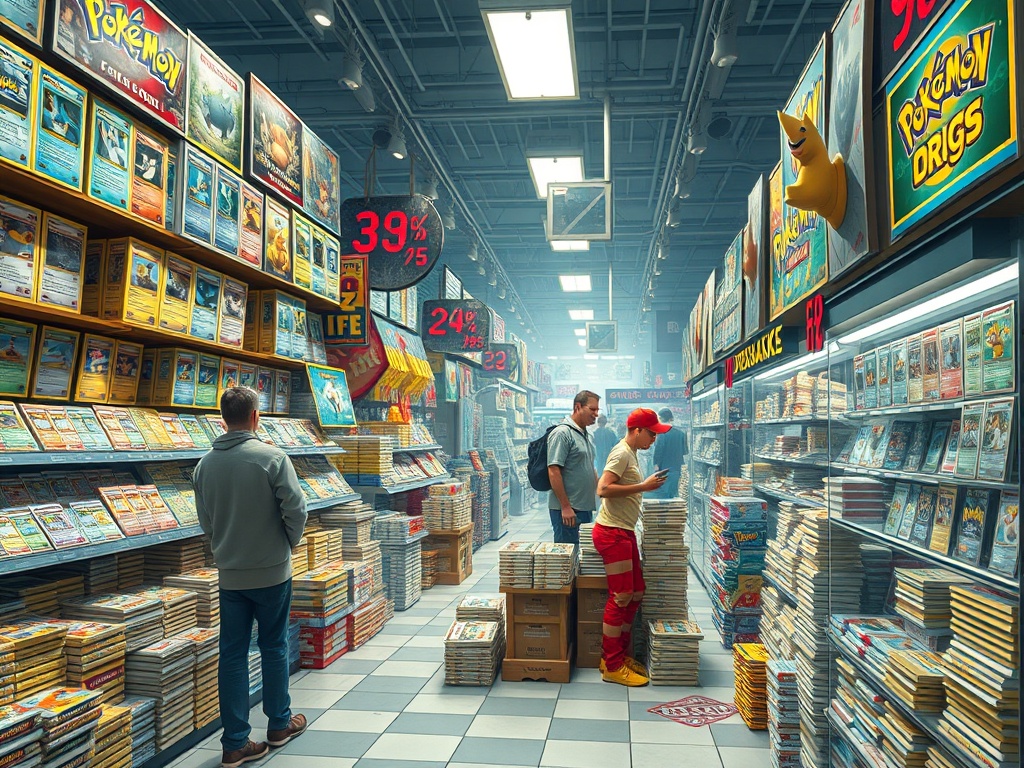
The Pokémon market moves in waves. Influencers highlight a card, YouTube openings spike interest, and suddenly prices surge.
But hype is rarely stable. Cards that skyrocket quickly often cool just as fast.
Experienced collectors don’t avoid hype—they use it. They sell into peaks and buy during quiet periods when attention shifts elsewhere.
If you’re buying solely because something is trending, you’re already late.
Supply Visibility Is Changing the Game
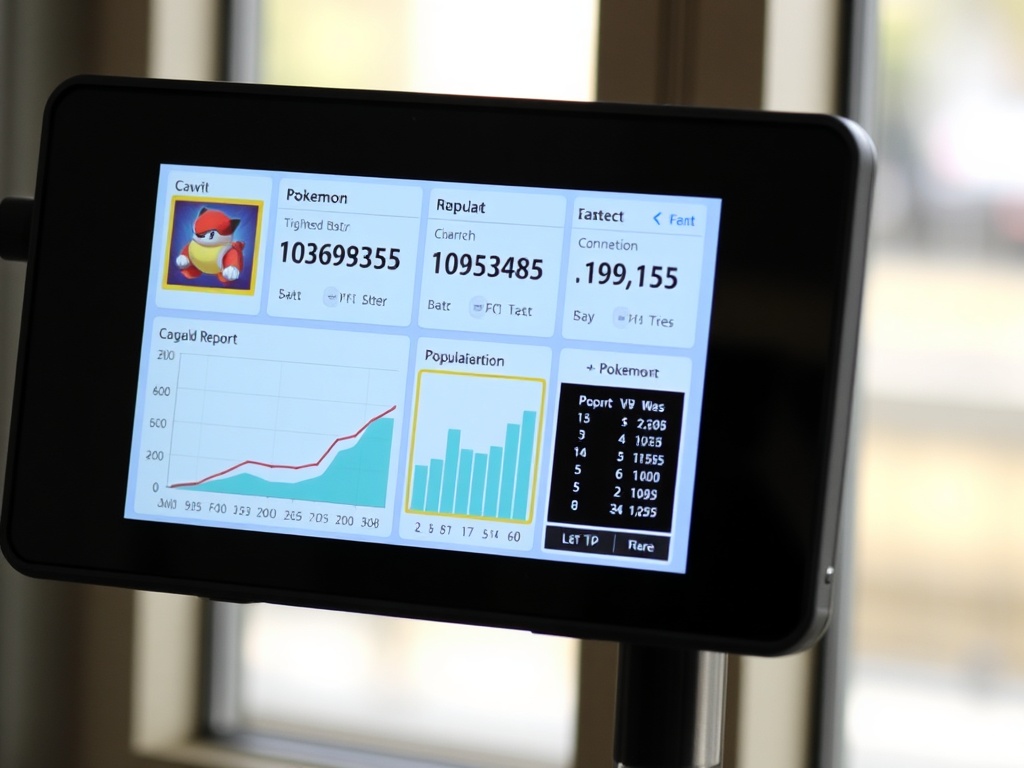
One of the biggest shifts in recent years is how visible supply has become. Population reports from grading companies show exactly how many copies exist at each grade.
This transparency cuts both ways. It can confirm rarity—but it can also expose oversupply.
If thousands of PSA 10 copies exist, the ceiling on price growth becomes more predictable. Scarcity isn’t just about how rare something feels—it’s about measurable availability.
Timing Your Entry Matters More Than Picking the “Perfect” Card
You can pick a great card and still overpay. You can pick a solid but unremarkable card and profit simply by timing it right.
The best collectors think in cycles. They watch release windows, post-release dips, grading backlogs, and seasonal demand spikes.
The market isn’t perfectly predictable—but it’s not random either.
Patience consistently beats impulse buying.
So What Should You Actually Focus On?
If you strip away the noise, value in Pokémon cards comes down to a few core factors working together:
- Condition: The cleaner the card, the stronger the foundation.
- True scarcity: Not perceived rarity, but actual supply.
- Collector appeal: Artwork, presentation, and display value.
- Character demand: Popular Pokémon outperform consistently.
- Liquidity: Graded cards sell faster and more reliably.
Miss one of these, and the card can still do well. Hit all five, and you’re holding something with real staying power.
The biggest shift you can make as a collector is moving from reaction to evaluation. Stop asking “Is this card hot right now?” and start asking “Why would this still matter five years from now?”
That single change separates short-term buyers from long-term collectors.
And over time, it shows up clearly in your collection—and your results.